The Clinton Emails, Big Oil & Terrorism Against Shia Muslims
Muhammad Ibn 'Abd alWahhab The Man and his Works by ʻAbd Allāh alṢāliḥ ʻUthaymīn

Nullifiers of Islam. Muhammad Ibn Abd al-Wahhab (محمد بن عبد الوهاب, born 1703 in 'Uyaynah; died 1792) was a Muslim scholar from the Najd region of what is today known as Saudi Arabia, who founded the eponymous Wahhabi branch of the Salafi movement, a movement which he would also be ultimately responsible for popularizing in.
Muhammad ibn ‘Abd alWahhab The Man and his Works ‘Abd Allah Salih al‘Uthaymin I.B. Tauris
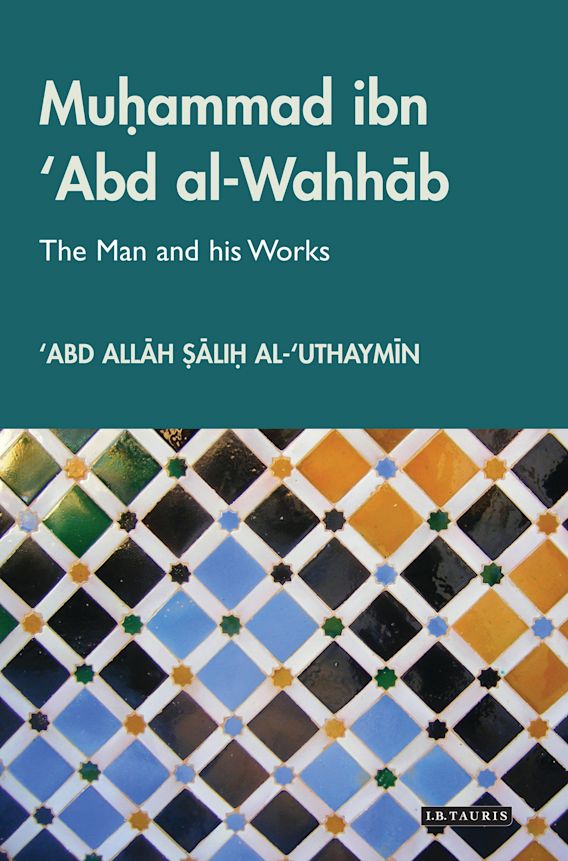
The Arabian religious reform movement of the 18th and 19th centuries, known in the West as Wahhabism, is one of the most controversial and misunderstood religious movements of the modern Middle East. This biography of its founder, Muhammad ibn Abd al-Wahhab, is the first serious English-language account written not from a Western, but an Arabian perspective.
Explanation of Muhammad Ibn Abd AlWahhab's Kitab Al Tawheed ustadh Murtaza khan Part 2 ᴴᴰ

Muhammad Ibn Abd al-Wahhab [1] >Among the least understood of the thinkers and leaders who have shaped the >modern world is Muhammad ibn Abd al-Wahhab (c. 1702-c. 1791), the founder >of the fundamentalist branch of Islamic thought and practice known as >Wahhabism.
Etiquettes of Walking to the Prayer (Imam Muhammad ibn Abd al Wahhab)
˓ABD AL-WAHHAB, MUHAMMAD IBN (1703-1792)Muhammad Ibn ˓Abd al-Wahhab was a religious scholar and conservative reformer whose teachings were elaborated by his followers into the doctrines of Wahhabism. ˓Ibn Abd al-Wahhab was born in the small town of ˓Uyayna located in the Najd territory of north central Arabia. He came from a family of Hanbali scholars and received his early education from.
Muhammad Ibn Abd AlWahhab

In cUthaymin's telling, Muhammad ibn Saud consulted with Ibn cAbd al-Wahhab on such matters, but the sources are patchy. They report a few instances of his accepting the allegiance of some towns or dividing booty. A second theme is the persecution endured by Ibn cAbd al-Wahhab's followers in towns outside the Saudi domain.
Muhammad ibn Abd al Wahhab (Sunni Muslim Scholar) Bio Wiki Photos Videos

Muhammad ibn ῾Abd al-Wahhab (1703-1792), was a scholar and Hanbali jurist who called for a return to the fundamental sources of Islamic revelation, the Qur᾽an and sunna (example of Muhammad) for direct interpretation, resulting in decreased attention to and reliance upon medieval interpretations of these sources.
Muhammad Ibn Abd Al Wahhab 1703 1792 Wahhabism Sunni Islam Free 30day Trial Scribd

Muhammad ibn Abd al-Wahhab (d. 1792) was the first modern Islamic fundamentalist and extremist. Al-Wahhab made the central point of his reform movement the principle that absolutely every idea added to Islam after the third century of the Muslim era (about 950 CE) was false and should be eliminated. Muslims, in order to be true Muslims, must.
Muhammad ibn Abd al Wahhab Alchetron, the free social encyclopedia

Muhammad ibn ʿAbd al-Wahhab (1703 - 1792 C.E.) (Arabic: محمد بن عبد الوهاب) was an Arab theologian born in the Najd, in present-day Saudi Arabia and the most famous scholar of what non-members refer to as the Wahhabi movement, properly the Muwahhidun, the Unifiers of Islamic practice, a puritan reformist school.
Who is Muhammad ibn Abdul Wahhab? IslamPeace alWahhab

Muhammad bin Abdul-Wahhab, was born in 1115 H. in the city of Uyainah, seventy kilometers northwest of Riyadh, the capital of the Kingdom of Saudi Arabia. He acquired his primary education from his esteemed father at his native place and was nurtured under his guidance. He was intelligent enough to memorize the Qur'an by heart at the very.
Biography and Mission of Muhammad Ibn Abdul Wahhab by Jalal Abualrub
ISBN 978--19-517632-2. Muhammad ibn ῾Abd al-Wahhab (1703-1792), was a scholar and Hanbali jurist who called for a return to the fundamental sources of Islamic revelation, the Qur᾽an and sunna (example of Muhammad) for direct interpretation, resulting in decreased attention to and reliance upon medieval interpretations of these sources.
Muhammad ibn Abd alWahhab, 9786134913317, 6134913316 ,9786134913317

He feared the Prince of Al-Dir'iyyah, Muhammad ibn Sa'ud but the Shaykh reassured him, saying, "Rejoice, for I am calling to Islam and Allah will definitely make it victorious.". Muhammad ibn Sa'ud heard about the arrival of Shaykh Ibn 'Abdul-Wahhab. It was said that it was his wife who informed him about the Shaykh.
Muhammad Ibn AbdulWahhaab Wahhabism Muhammad

Muhammad ibn Abd al-Wahhab, theologian and founder of the Wahhabi movement, which attempted a return to the principles of Islam as practiced by its early forebears (salaf). He rejected many traditions as innovations (bid'ah) and stressed the importance of the oneness of God (tawhid).
People who say reading Books of Muhammad ibn Abd alWahhab leads to Misguidance? assimalhakeem

Among the least understood of the thinkers and leaders who have shaped the modern world is Muhammad ibn Abd al-Wahhab (c. 1702-c. 1791), the founder of the fundamentalist branch of Islamic thought and practice known as Wahhabism. Ibn Abd al-Wahhab's life and beliefs are a source of controversy, both within Islam and in the Western non-Islamic.
Ibn 'Abd alWahhab Book by Michael Crawford Official Publisher Page Simon & Schuster

Muhammad ibn Abd al-Wahhab (1703/4-1792) and the Beginnings of the Unitarian Empire in Arabia Edited by George S. Rentz (London: Arabian Publishing, in association with the King Abdulaziz Public Library, Riyadh, 2004), 275 pp. Price HB £25.00. ISBN -954-47922-X. The 'Wahhabi' Myth: Dispelling Prevalent Fallacies and the Fictitious Link with.
TEMPS et CONTRETEMPS La fabrique de l'islamisme par Jean CORCOS
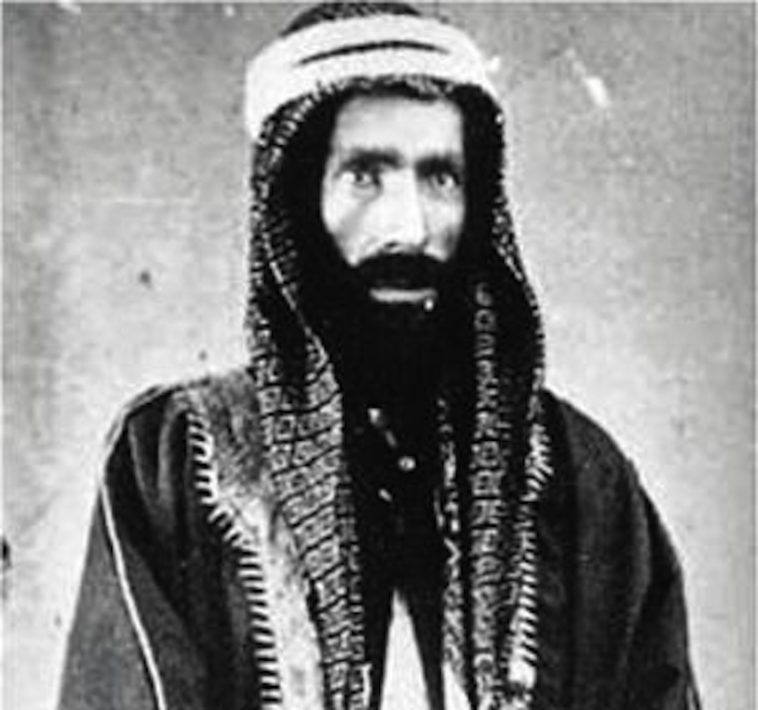
ibn 'Abd al-Wahhab, Muhammad (1115-1206) (d. 1791)Saudi Arabian conservative theologian, Hanbali jurist, reformer, and ideologue of the Wahhabi movement. Proclaimed the necessity of returning directly to the Quran and hadith, rather than relying on medieval interpretations. Denounced as heretical innovations the practices of shrine cults.
The Clinton Emails, Big Oil & Terrorism Against Shia Muslims
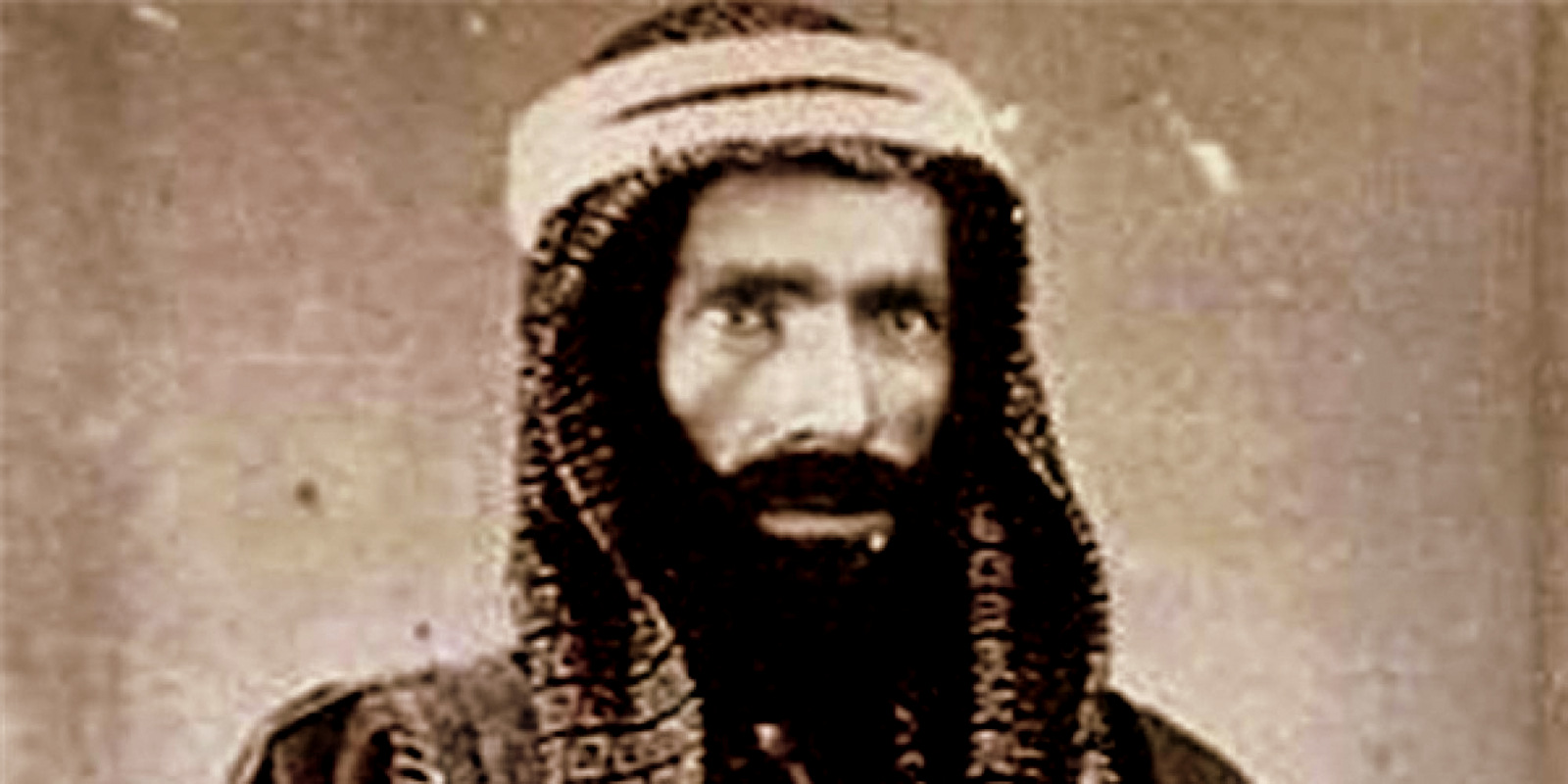
It is because of the pact that Ibn 'Abd al-Wahhab made with Muhammad b. Sa'ud (d. 1765), the ruler of what would become the first Saudi state, that the former gained lasting influence. Scant information is available from contemporary sources on Ibn 'Abd al-Wahhab's education and intentions, in large part due to the relative insignificance of.